Sustaining Lifelong Vitality
A Comprehensive Guide to Mobility, Bone Health, and Active Living After 40

Benefits of Active Living
Understanding the general advantages of maintaining physical activity and a balanced lifestyle after 40.
Enhanced Mood and Mental Clarity
Regular physical engagement contributes to overall emotional well-being and cognitive function, supporting mental resilience.
Improved Sleep Quality
Consistent movement and balanced daily routines support restorative sleep patterns essential for physical recovery.
Enhanced Energy and Well-being
An active lifestyle contributes to sustained energy levels and an overall sense of vitality and confidence.
Understanding Bone Health
Bone is living tissue that constantly undergoes change. This process involves the removal of old bone and the addition of new bone material. During childhood and early adulthood, new bone is added faster than old bone is removed, resulting in increased bone mass.
After a person reaches approximately 30 years of age, bone remodeling continues, but more bone is lost than is gained. Knowledge of bone structure and the process of natural bone density changes throughout life is fundamental to understanding mobility and functional well-being.
Key Concepts
- Bone density naturally varies across different life stages
- Regular weight-bearing activity supports bone structure
- Proper nutrition plays a significant role in bone composition
- Genetics, activity level, and lifestyle choices all influence bone health

The Role of Nutrition
Nutrition plays a crucial role in supporting bone composition and overall physical function. Various minerals and nutrients work together to maintain healthy bodily systems.
Essential Minerals and Nutrients
- Calcium: A primary mineral component found in bones and essential for various bodily functions
- Vitamin D: Supports mineral absorption and plays a role in bone development and maintenance
- Magnesium: Important mineral involved in bone structure and muscle function
- Phosphorus: Works with calcium to form the mineral matrix of bone
- Vitamin K: Involved in bone mineralization and protein synthesis
These nutrients are naturally present in various food sources. A varied, balanced diet including whole grains, vegetables, fruits, legumes, and other whole foods helps support nutritional well-being.
Daily Mobility Practices
Simple, accessible practices for improving daily mobility and maintaining functional movement
Gentle Walking
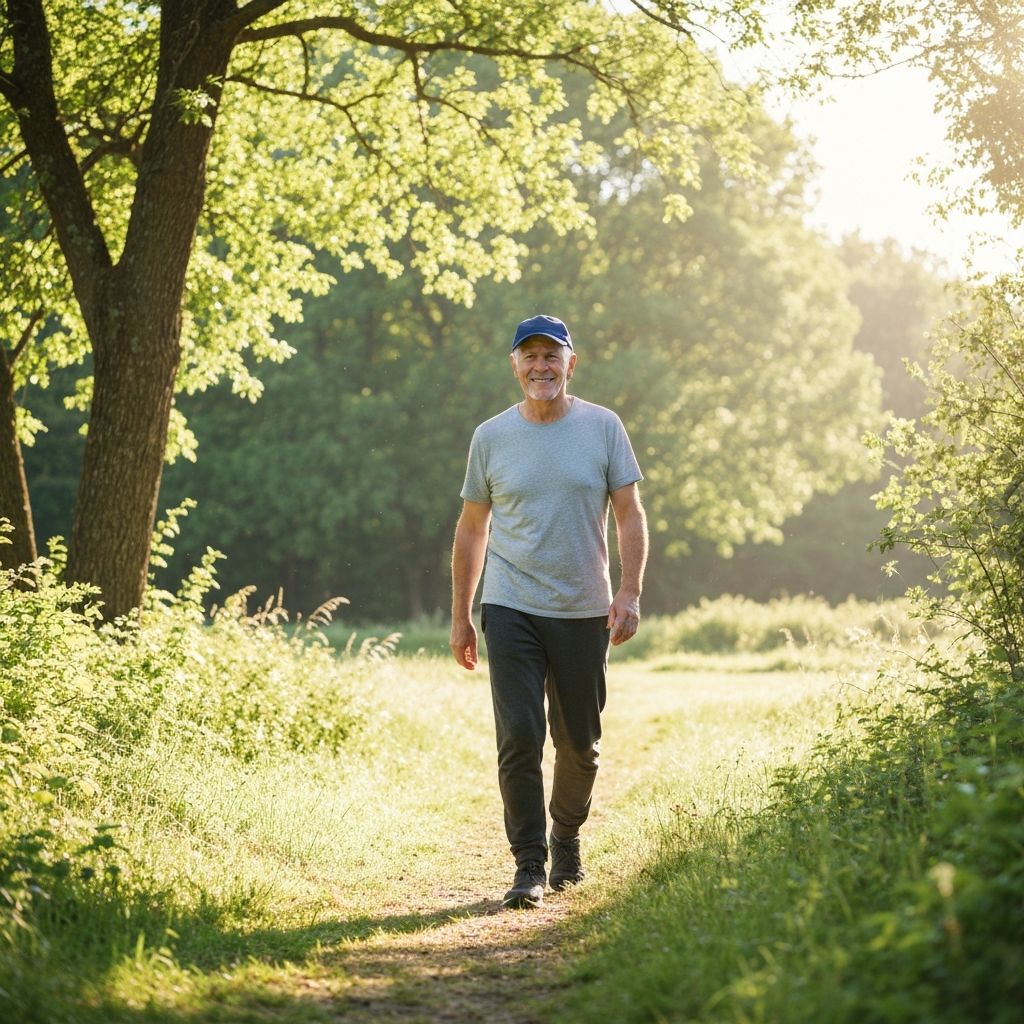
Walking is one of the most accessible forms of movement. Gentle, regular walking supports cardiovascular function and maintains mobility without high impact. Walking in natural settings provides additional mental well-being benefits.
Light Household Activities
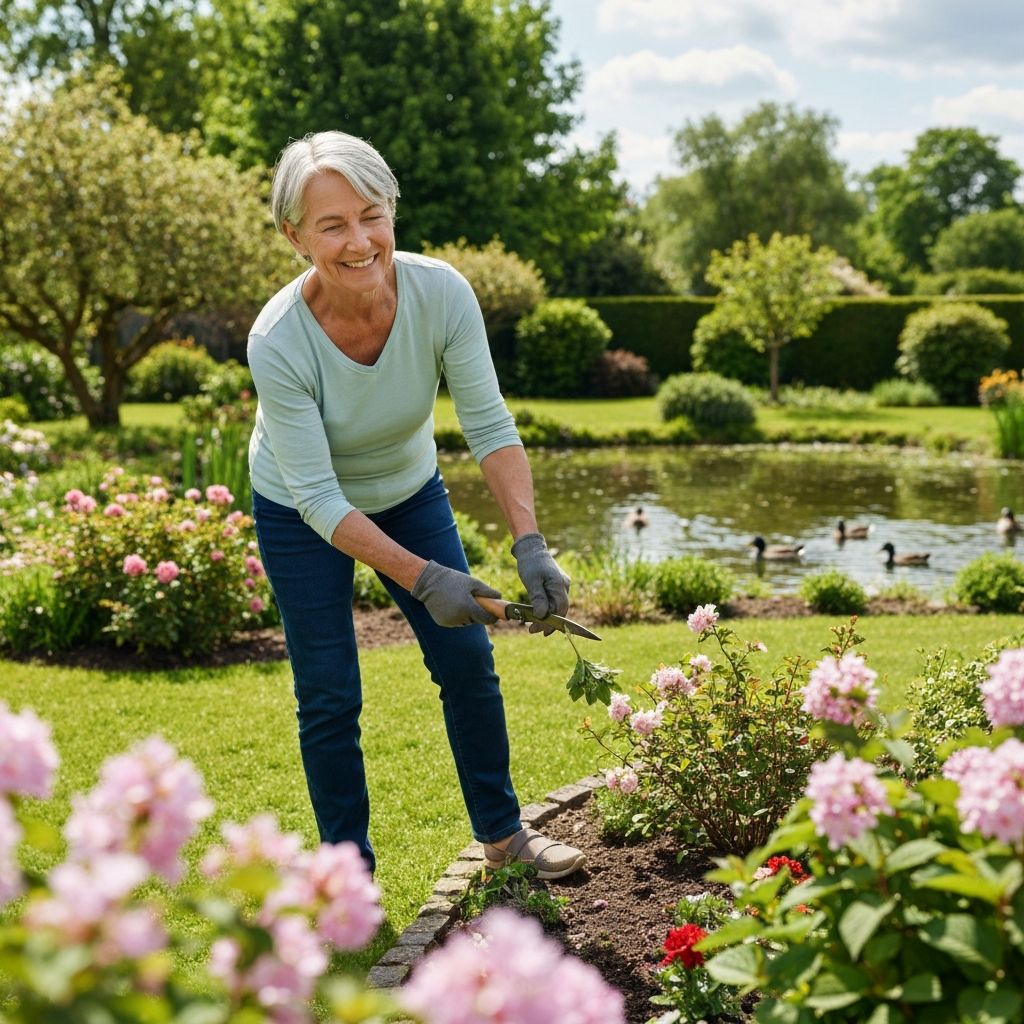
Everyday activities such as gardening, tidying, or light yard work provide natural movement opportunities that support strength and flexibility without structured exercise.
Posture Awareness
Maintaining good posture throughout daily activities supports spinal health, improves breathing, and reduces unnecessary strain on joints and muscles.
Flexibility and Stretching Guide
Static Stretching
Static stretching involves gently extending a muscle and holding the position for a period of time. This approach is typically performed after physical activity or as part of a relaxation routine. Static stretching may help improve muscle elasticity and joint range of motion over time.
Dynamic Stretching
Dynamic stretching involves controlled movements through a range of motion. These gentle, moving stretches can be incorporated before activity to prepare muscles and joints. Dynamic stretching supports mobility and can be adapted to individual comfort levels.
General Benefits
Regular gentle stretching supports muscle elasticity, joint flexibility, and overall ease of movement. Consistent practice may contribute to improved posture and reduced muscle tension.
Hydration for Well-being
Water is essential for virtually every bodily function. Adequate hydration supports multiple systems and contributes to overall physical and mental well-being.
Functions of Hydration
-
Temperature Regulation:
Water helps maintain stable body temperature through perspiration and internal regulation. -
Nutrient Transport:
Proper hydration supports the movement of nutrients and oxygen throughout the body. -
Joint Lubrication:
Water is a component of synovial fluid, which supports smooth joint movement. -
Cognitive Function:
Adequate hydration supports mental clarity, focus, and overall brain function.
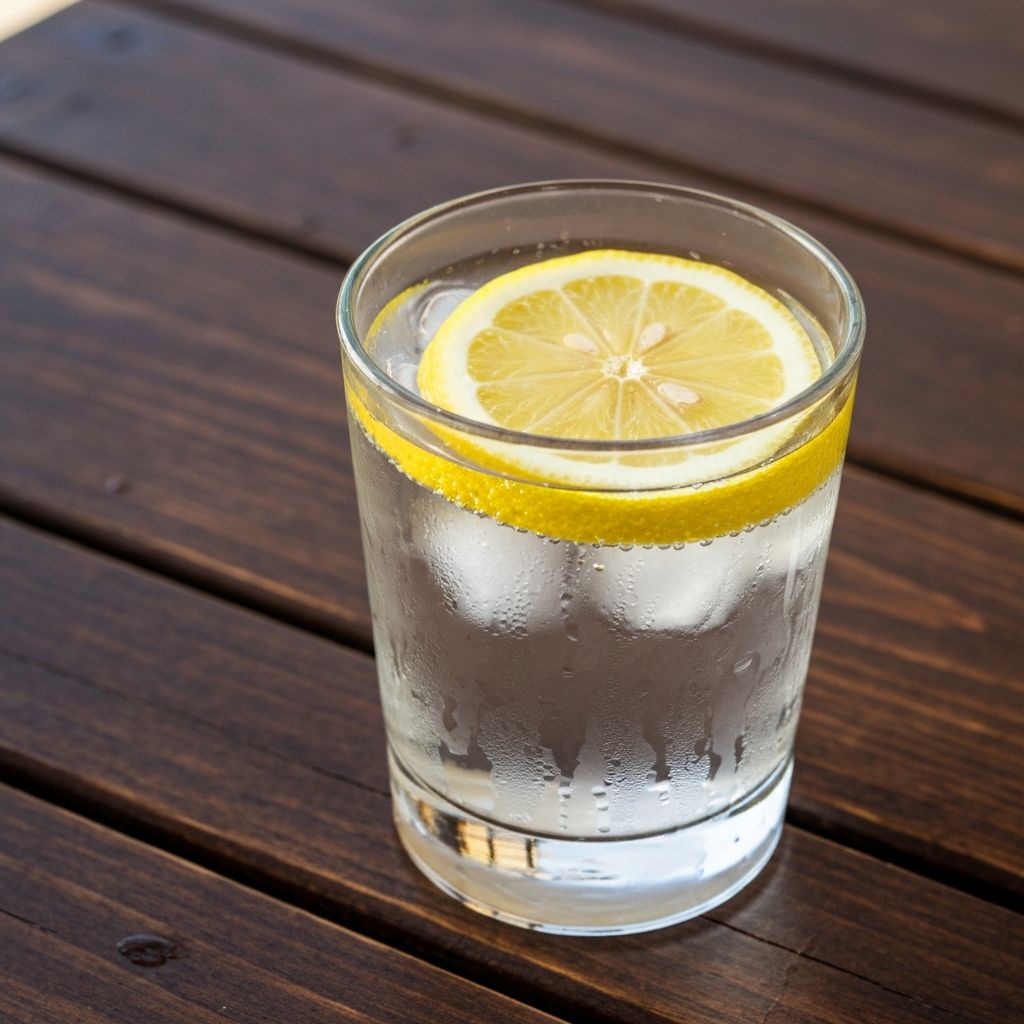
Individual hydration needs vary based on activity level, climate, and personal factors.
Sleep and Rest
Sleep is a critical component of physical recovery and mental well-being. During sleep, the body undergoes essential restoration processes, including muscle repair and memory consolidation.
Principles of Restorative Sleep
- Consistent sleep schedule supports natural circadian rhythms
- Dark, cool sleeping environment promotes better sleep quality
- Limiting stimulating activities before bedtime may improve sleep onset
- Afternoon activity can support better evening sleep
- Adequate sleep duration varies by individual, typically 7-9 hours for adults
Role in Active Living
Quality rest is essential for maintaining energy for daily activities, supporting immune function, and allowing the body to recover from physical exertion.
Community and Social Engagement
Social interaction and community involvement contribute significantly to mental and emotional well-being
Mental and Emotional Benefits
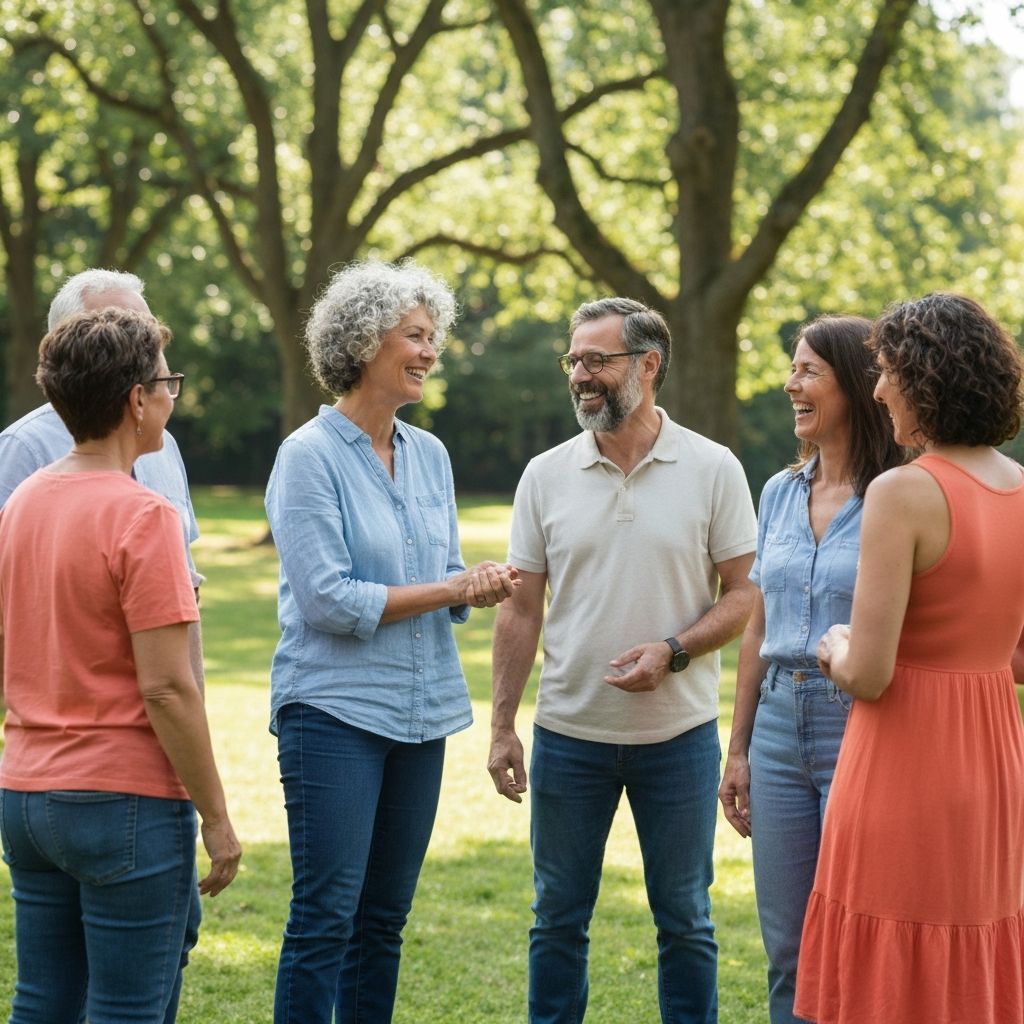
Regular social interaction supports mental clarity, emotional resilience, and a sense of belonging. Community engagement provides opportunities for shared experience and mutual support.
Physical Activity Through Community
Group activities such as walking clubs, gardening groups, or wellness gatherings combine physical movement with social connection, enhancing motivation and enjoyment.
Building Meaningful Connections
Whether through local groups, volunteer opportunities, or casual gatherings, community involvement creates a framework for ongoing social connection and purpose.
Frequently Asked Questions
The content provided on this website is for informational purposes only and is not intended to be a substitute for professional medical advice, diagnosis, or treatment. It does not offer individual recommendations or claim to address specific health conditions. Approaches to everyday wellness vary significantly, and this site's content should not replace personal decisions or consultation with qualified healthcare professionals.
Continue Your Learning Journey
Explore more detailed articles and insights about active living and well-being
Explore Our Articles