What is Active Aging?
A comprehensive guide to active aging as a holistic approach to well-being.
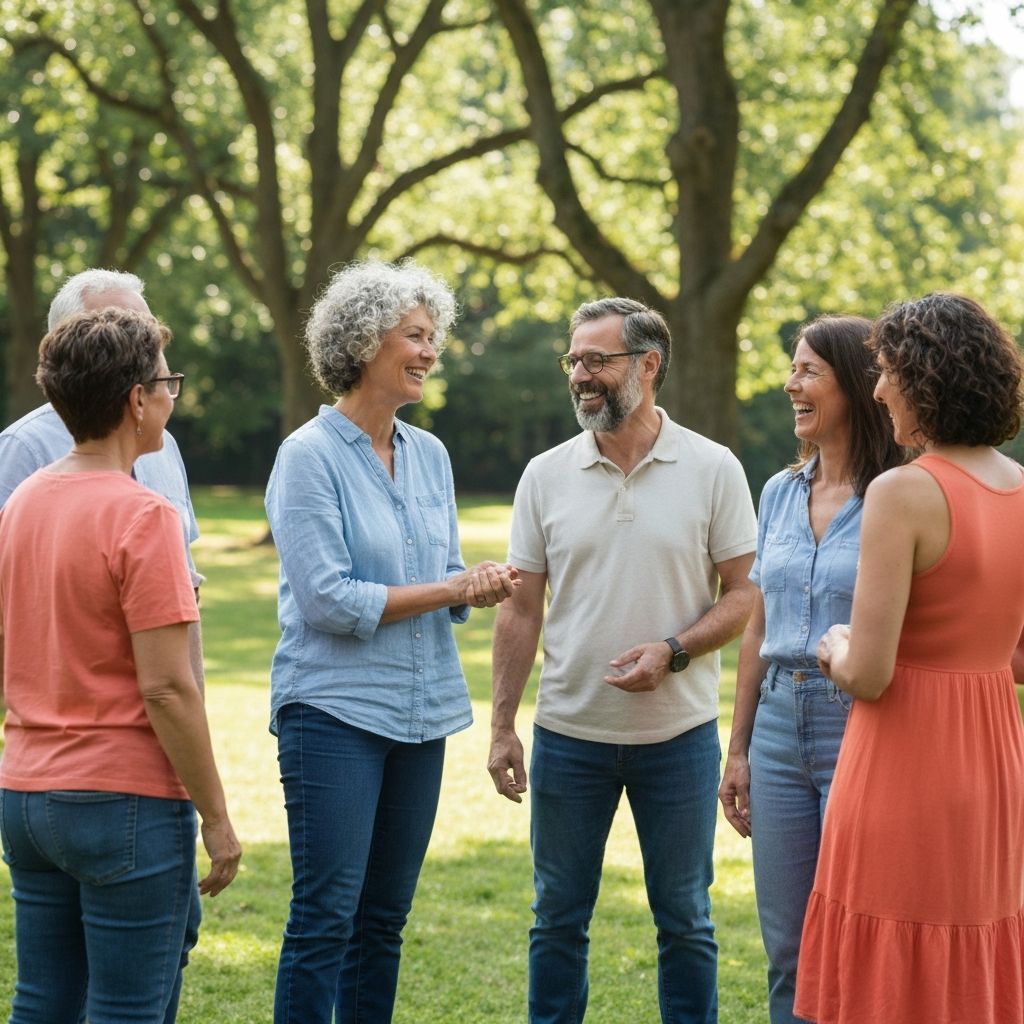
Active aging is a holistic approach to maintaining well-being, independence, and quality of life throughout the later years. Rather than viewing aging as a period of decline, active aging recognizes it as a time for continued growth, engagement, and meaningful participation in life.
Dimensions of Active Aging
Active aging encompasses multiple dimensions of human experience working together to create a full, engaged life:
Physical Engagement
Regular, consistent physical activity supports cardiovascular health, maintains muscle tone, supports bone maintenance, and enables functional ability for everyday tasks. Physical engagement need not be intensive; gentle, consistent movement integrated into daily life often proves most sustainable.
Mental Stimulation
Continued learning, problem-solving, creative pursuits, and intellectual engagement support cognitive health and mental acuity. Engaging with new ideas, hobbies, and challenges maintains cognitive reserves and sense of purpose.
Social Connection
Meaningful relationships and community involvement profoundly influence quality of life and overall health outcomes. Social engagement provides emotional support, sense of belonging, and motivation for continued engagement with life.
Emotional Well-being
Managing stress, maintaining emotional resilience, and cultivating positive perspectives contribute to psychological health and life satisfaction. Practices like mindfulness, gratitude, and meaningful reflection support emotional well-being.
Spiritual or Purpose-Driven Engagement
For many people, connection to purpose, meaning, or spiritual practice provides foundational support for overall well-being and life satisfaction.
Active Aging is Personal
Active aging looks different for every individual. It's not about conforming to any external standard but rather about finding meaningful ways to remain engaged with life according to personal values, interests, and circumstances.
What constitutes "active aging" varies dramatically based on individual capabilities, interests, health status, and life situations.
Maintaining Independence and Autonomy
A central aspect of active aging is maintaining independence and autonomy in daily life as long as possible. This includes the ability to make personal choices, pursue meaningful activities, and maintain connection to one's community and loved ones.
Adapting Over Time
Active aging recognizes that capacities change over time. The key is adapting activities and engagement in ways that remain meaningful and possible within current circumstances. Rather than viewing this adaptation negatively, it represents continued participation in life in evolving forms.
Contributing to Community
Many people find meaning in continued contribution to their communities through volunteer work, caregiving, mentoring, or other forms of engagement. This contribution creates purpose while providing valuable service.
A Lifestyle Philosophy
Active aging is fundamentally a lifestyle philosophy emphasizing continued engagement, growth, and meaning in the later years of life. It reflects a worldview that aging brings new opportunities for engagement rather than only limitations.
This article provides conceptual information about active aging. It is not advice or prescriptive guidance. Individual circumstances, capabilities, and preferences vary significantly.